Reading
At Lift Kingswood, we are passionate about reading. As part of our whole-school culture, we are dedicated to ensuring all our students become secure readers while also finding pleasure in both fiction and non-fiction texts.



At Lift Kingswood, we are passionate about reading. As part of our whole-school culture, we are dedicated to ensuring all our students become secure readers while also finding pleasure in both fiction and non-fiction texts.

Through reading, we seek to ensure that our students develop into confident young adults who can articulate themselves with cultural awareness and empathy for others.
Within the English curriculum, across KS3 and KS4, students read a minimum of three rich texts per year - the details of which can be found on our English page here. Furthermore, there are weekly timetabled 'reading for pleasure' lessons in Years 7-9. These reading lessons provide students with a safe space to discuss intriguing characters and plots, explore controversial topics, and debate thought-provoking questions.
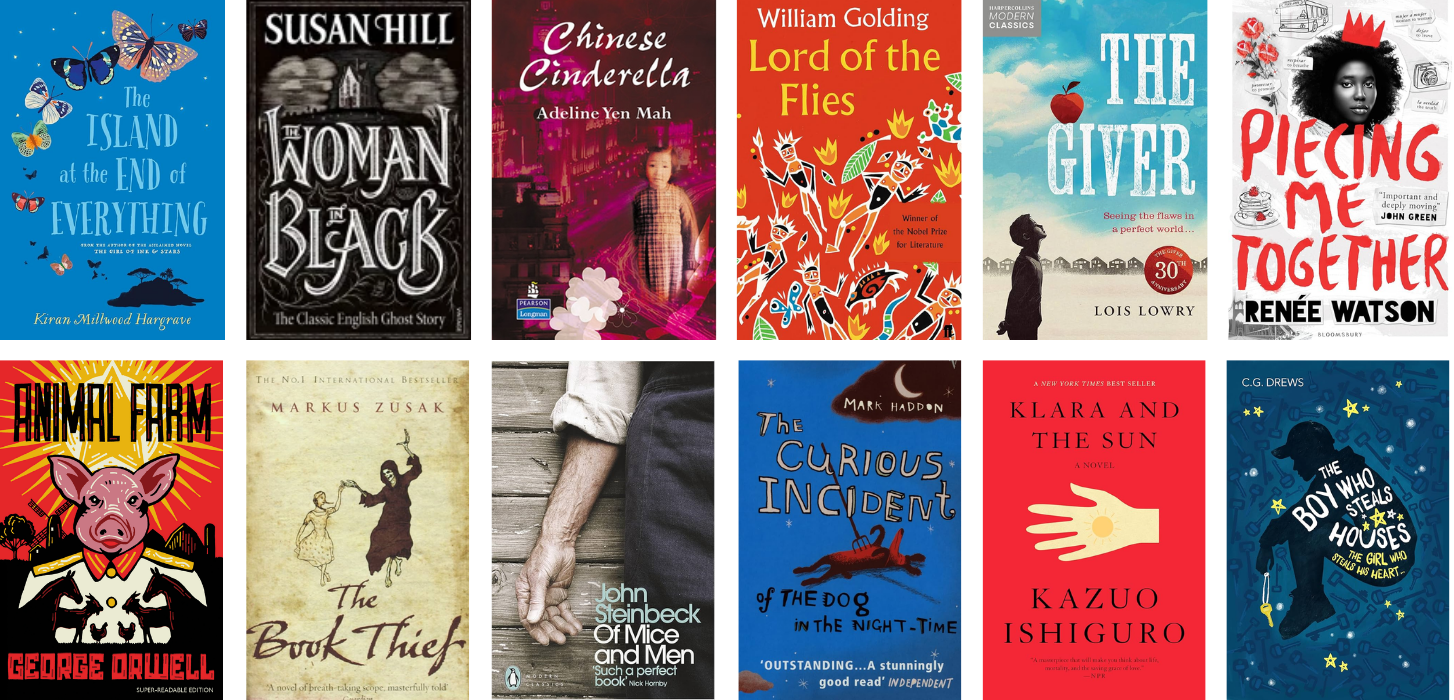
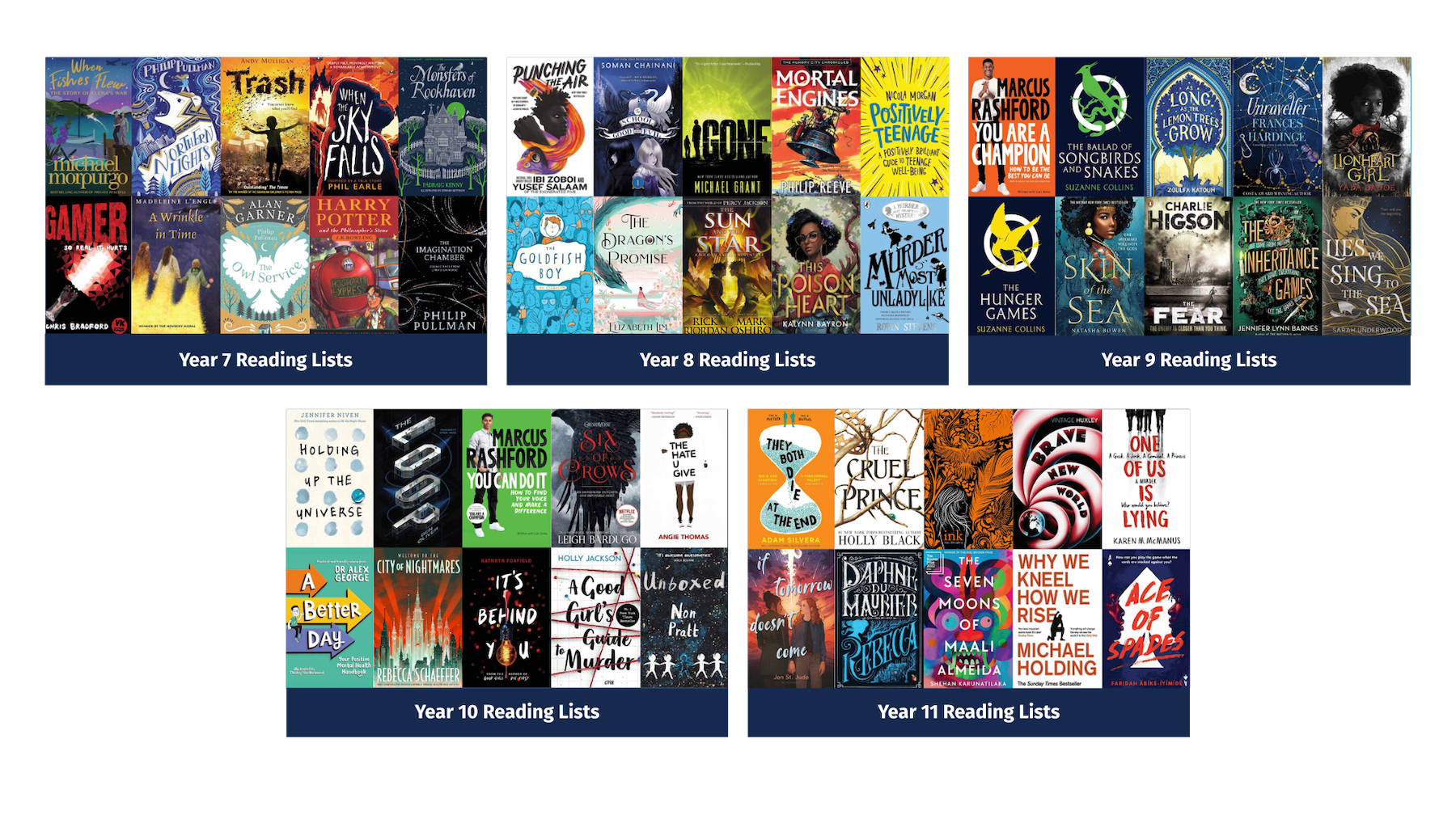
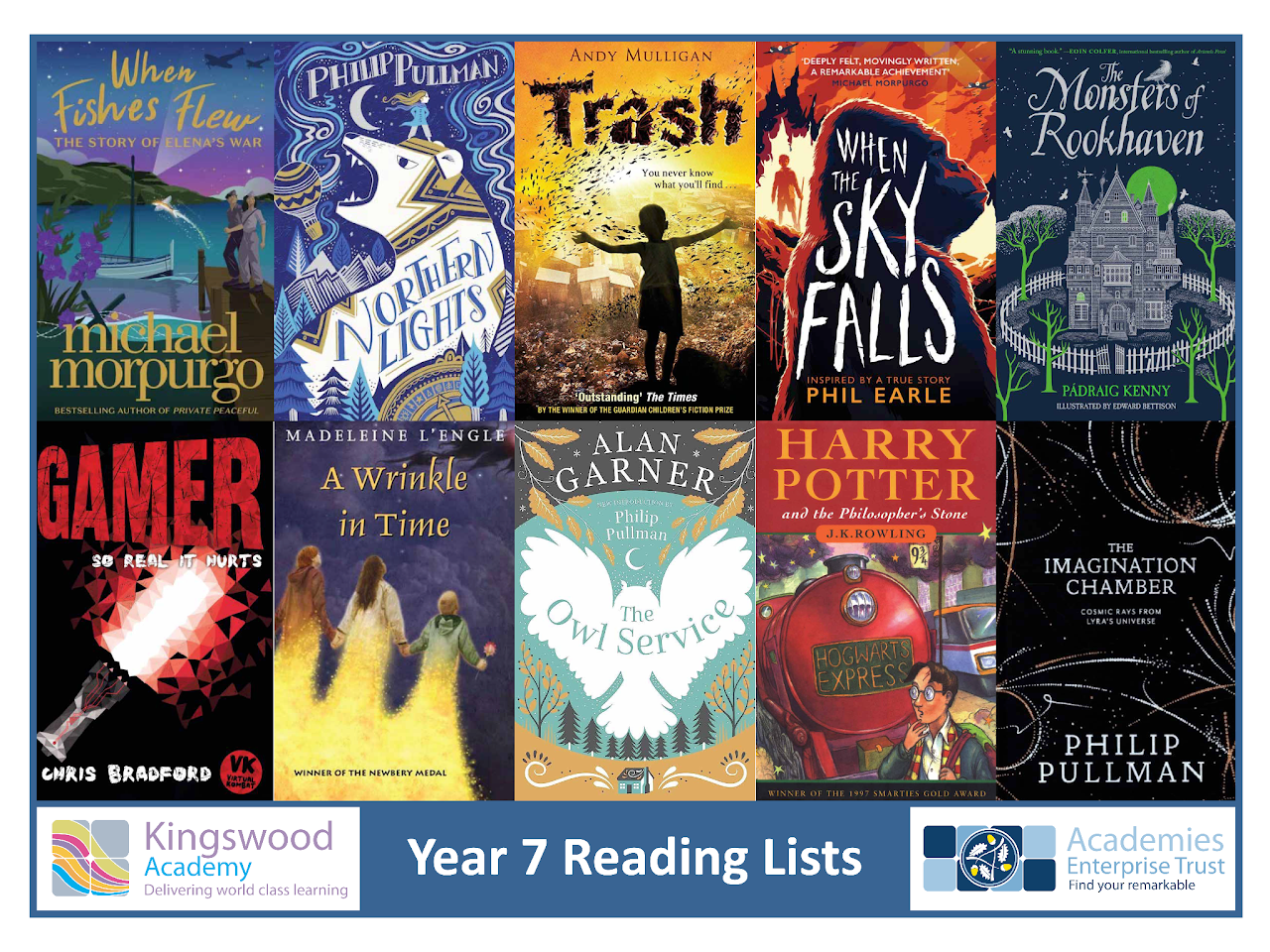
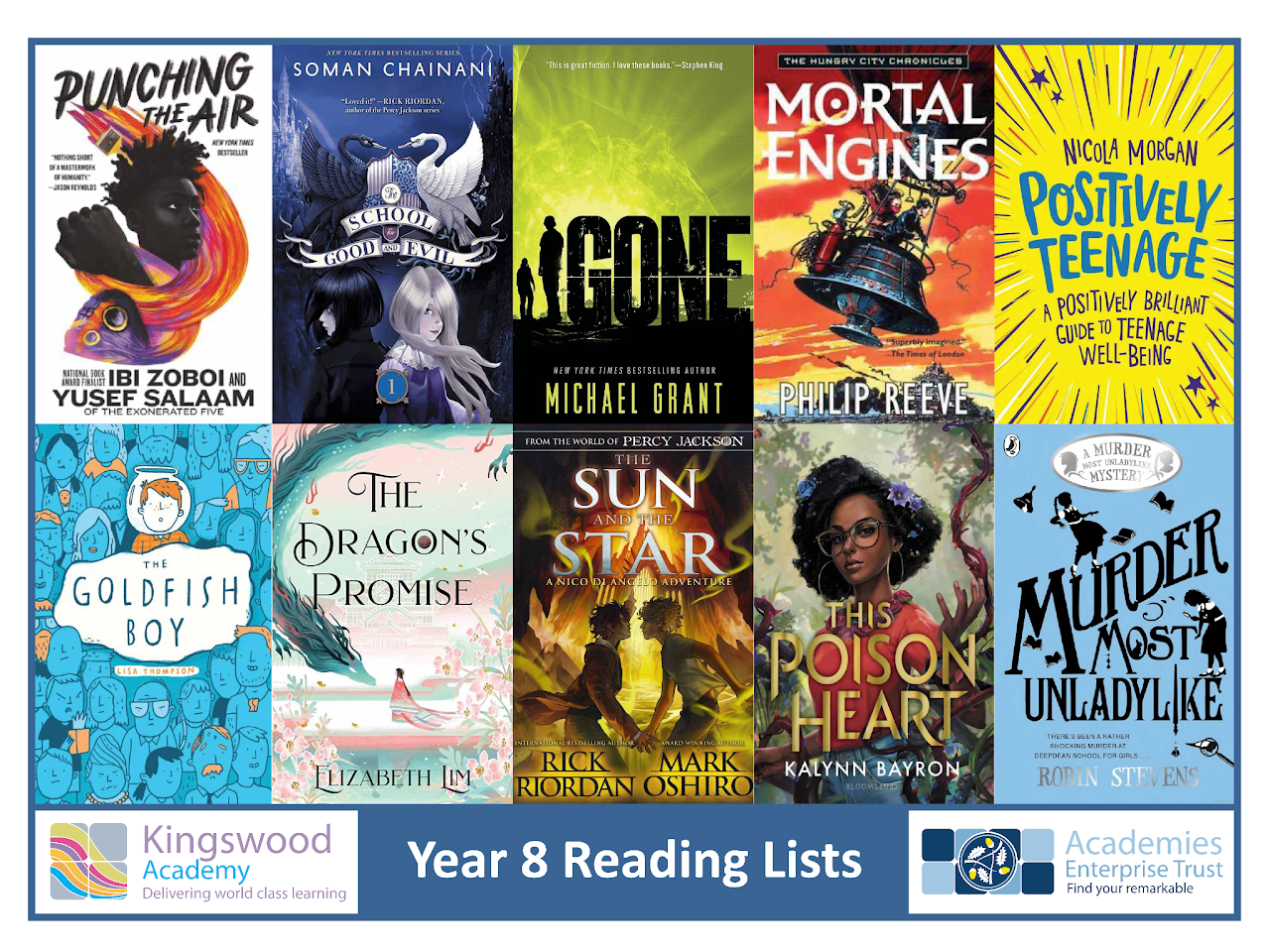
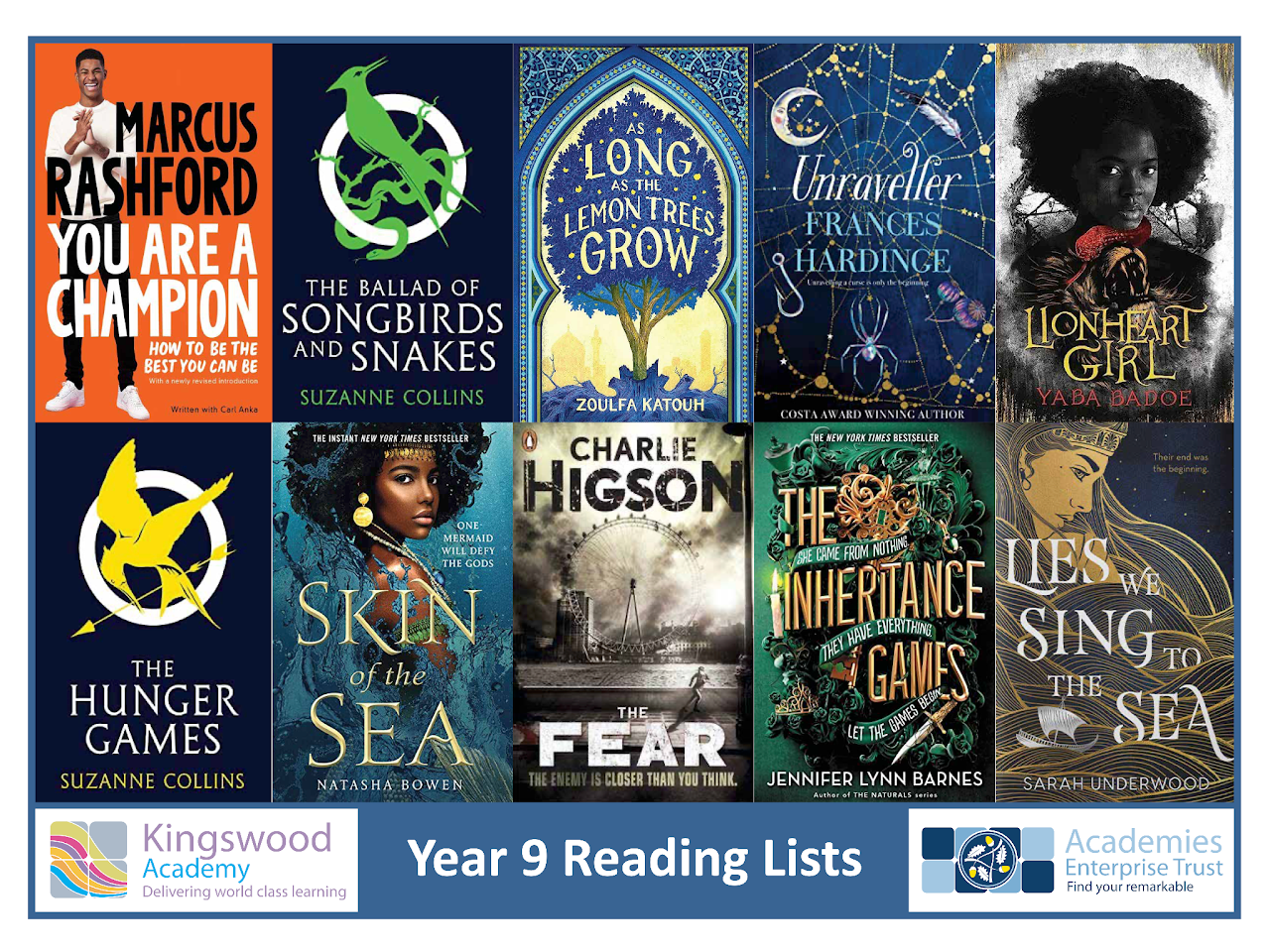
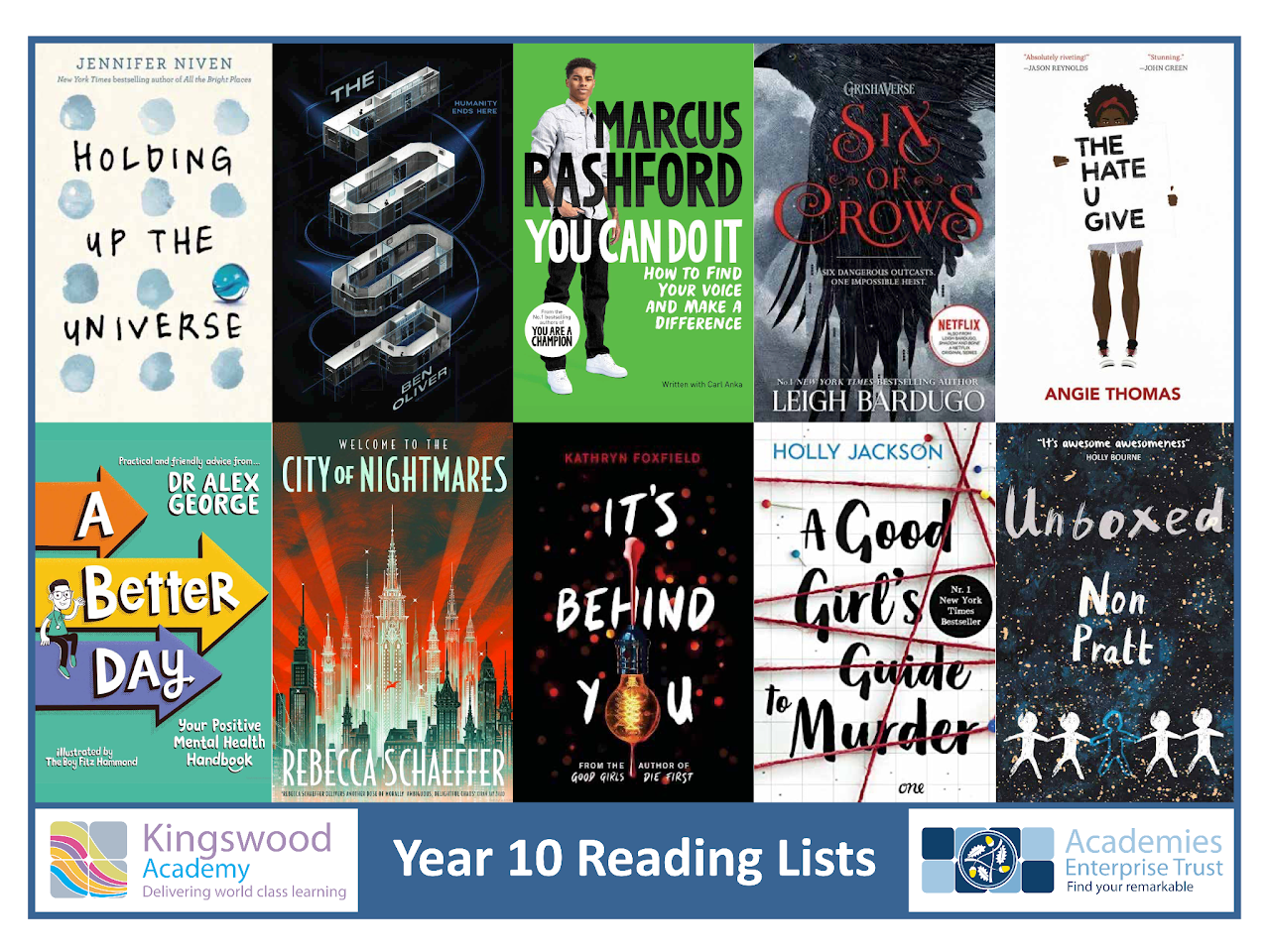
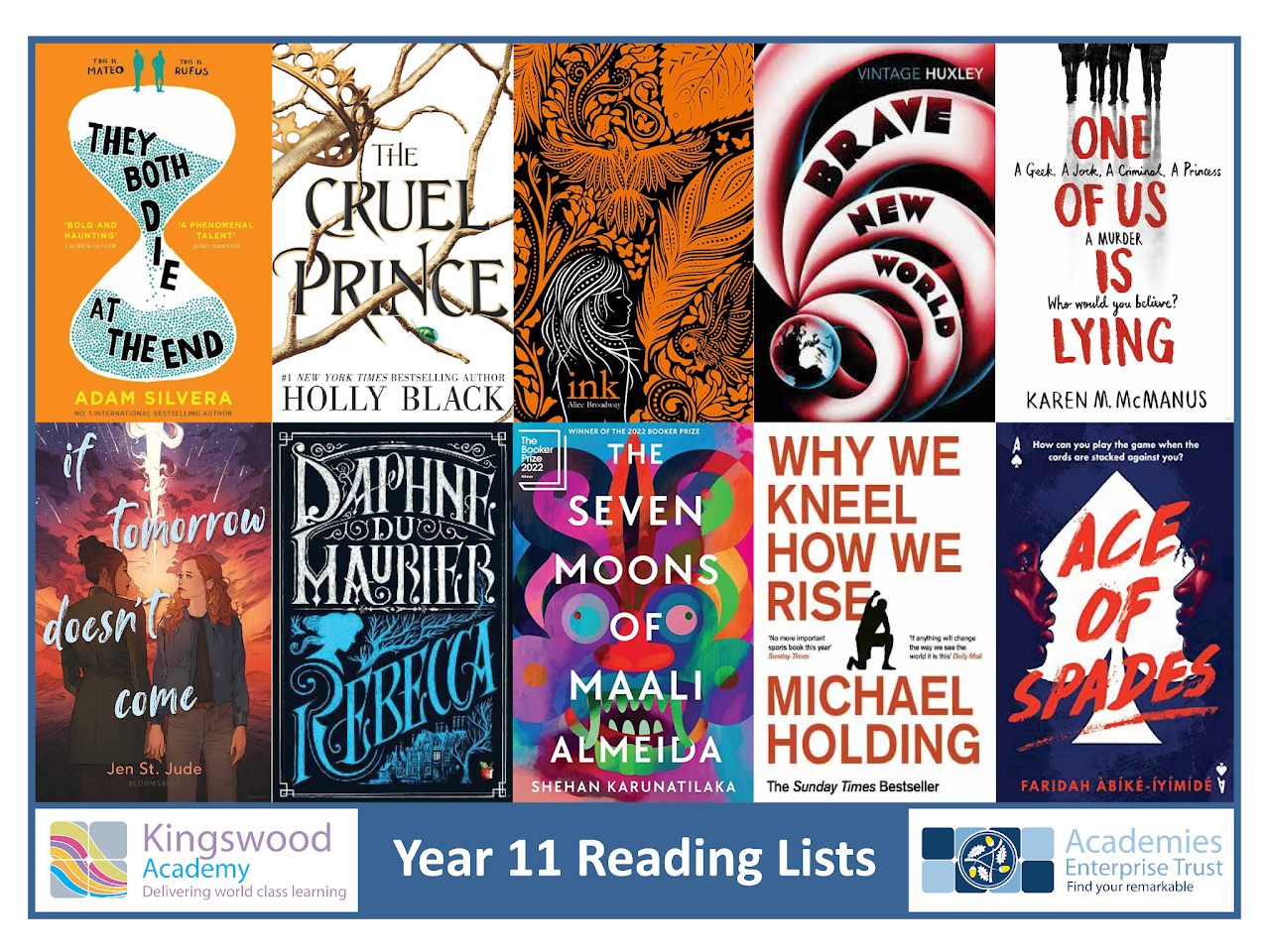
Lift Kingswood promotes a love of reading through other activities such as: entering reading and writing competitions; year group recommended reading lists (see below) and associated book bundles which can be purchased from the school; interactions with published authors; our satellite libraries which are located in all social areas, where students are able to read for pleasure and also sign out books to take home; and book fairs. Scholastic book fairs are invited into the school annually and provide students with a wide array of recent releases, popular literature, best selling authors and award-winning books at discount prices. Students who have a golden ticket can also exchange their ticket for £10 worth of goods at the book fair. Furthermore, students also take part in Sparx Reader to encourage regular reading as routine outside of school and there are reading challenges where students are rewarded for engaging in a wide range of media. Every Year 6 student is also provided with the book 'Scholastic Classics: Stories from Around the World' and a home reading log to complete at home during the summer holidays.
Our satellite libraries and the Nook showcase a wide range of Literature: both fiction and non-fiction texts. This collection is ever-growing as we respond to student voice, ensuring students' have access to the genres and topics they like. When students are 'caught' reading before school, at break or at lunch they recieve a sticker on their reading rewards tracker and when they reach 50 stickers, a special reading reward!Reading leaders are appointed to share their love of reading with other students and to guide them to new and interesting literature in the satellite libraries.
Reading leaders act as a means of inspiration for our students, and provide a voice with which students can share their favourite books as well as what they would like to see next in the library.
Please see below some of our students' entries and published work for a range of competitions from writing openings for stories to creating emotive poetry. As you'll see from the extracts, their work is beautifully original and created to a high standard.
All students complete an NGRT test twice a year to assess reading ages - during September and then in June. There is also an NGRT assessment completed in March for the students who have been accessing reading intervention to assess their progress. NGRT tests use a combination of questions to determine students’ reading ages. These include:
Although a combination of the above questions will appear on the NGRT test, it also responds live to students whilst they are completing it.
.jpg)
If a students' reading age is lower than their actual age, they will complete a further diagnostic test to assess where they need support: with phonics, fluency or comprehension. These diagnostic tests may be either the YARC test or the Ruth Misking Fresh Start assessment, and the assessment students receive depends upon their NGRT result; both of these tests are utilised to ensure that students receive intervention that is tailored to best support them in making progress with reading.
The phonics programme used at Lift Kingswood is Ruth Miskin's Fresh Start and is delivered by our trained Learning Support Team. For students who need support with fluency or comprehension, intervention takes the form of guided reading support or the Lexia programme (which builds skills around grammar, vocabulary and comprehension). Lexia and guided reading lessons take place three times a week before 8.25am or after 3.00pm. All interventions are routinely reviewed to ensure students are making progress and once students are secure readers, they will graduate out of the intervention.
Find out more:
For further information regarding reading, please contact ksalter@liftkingswood.org
If your child accesses these reading interventions, Reading Surgeries are provided once per half-term if you would like to book an appointment to discuss your child’s progress.
Appointments at these surgeries are available the below dates, and can be booked by contacting our reception team:







.jpg)
.jpg)
.jpg)